Every new affordable housing development represents an opportunity to learn. As we reached completion on Park Point East, Cayce Transformation’s newest development, we reflected not only on what was built, but on what the process taught us about creating communities that support residents for years to come.
Affordable housing is often measured by the number of units delivered. Those numbers matter. But equally important are the countless design decisions that shape residents’ daily experiences; from how neighbors connect with one another to how maintenance staff can efficiently care for the property over time.
As we’ve continued to refine each new development of the Cayce Transformation, these are six lessons we’ve learned about designing communities that last.
Lesson One: Design neighborhoods, not just buildings.
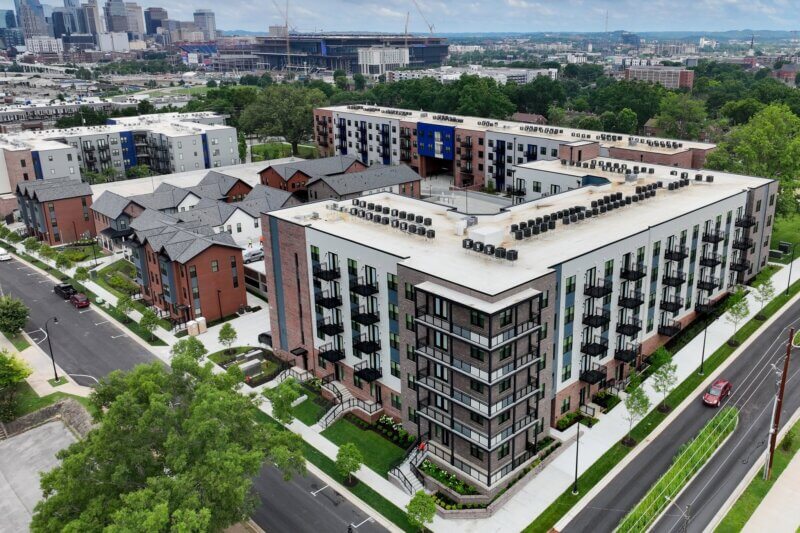
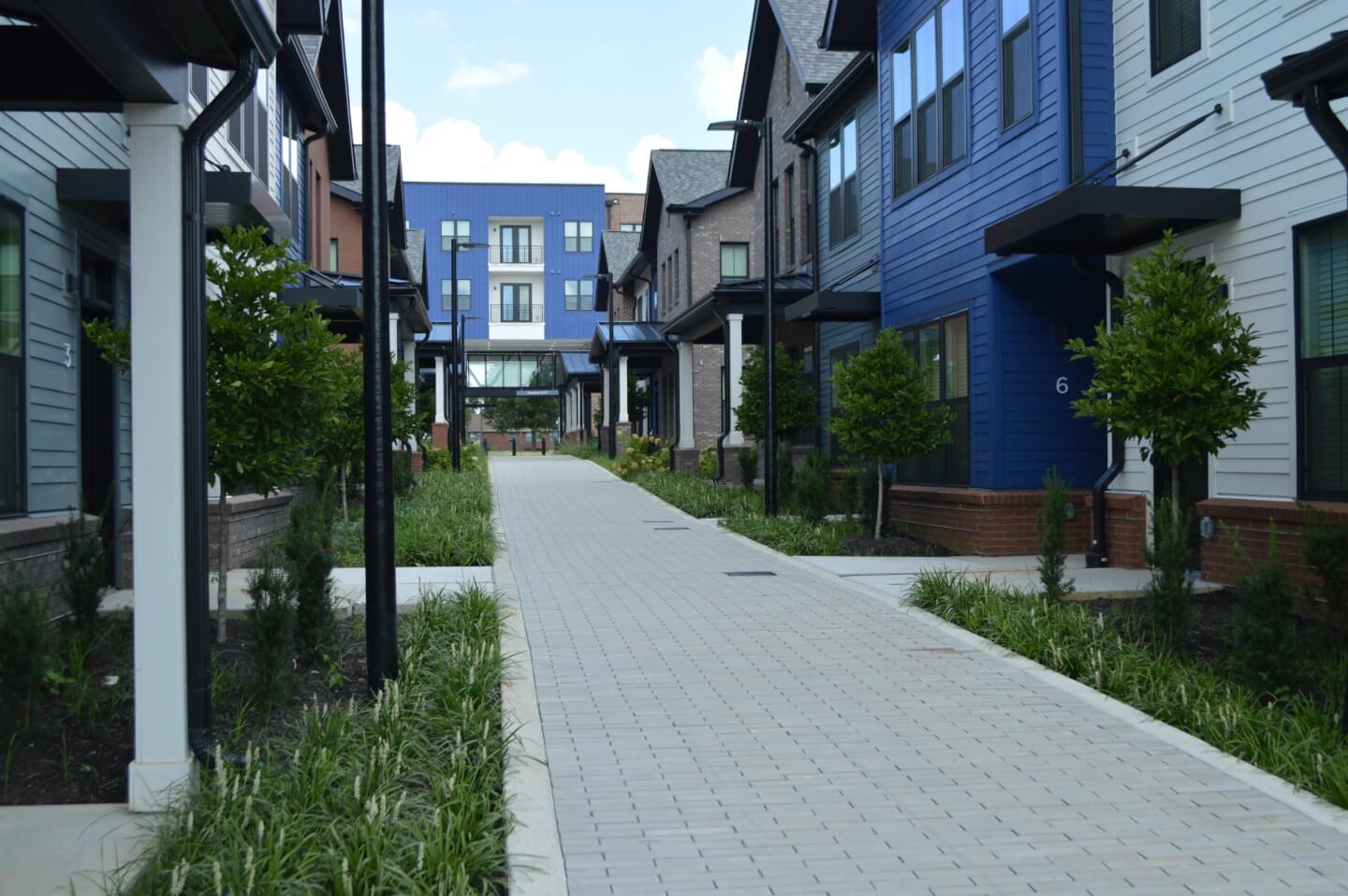
Park Point East and Cherry Oak Apartments were envisioned as complementary developments from the very beginning. By master planning the entire city block with the same design team, we created a cohesive neighborhood rather than two independent properties. Shared parking, amenities and leasing operations create operational efficiencies, while the central paseo encourages residents to move comfortably through the development and connect to the adjacent park. Throughout the planning process, equal attention was given to how residents experience the neighborhood on foot as well as how vehicles move through the site.
Affordable housing succeeds when it is designed as part of a neighborhood, not simply as a collection of buildings.
Lesson Two: Residents are experts in livability.
Residents experience their homes every day. They understand which design features make daily routines easier, where frustrations occur and which amenities have the greatest impact on quality of life. That lived experience makes residents essential partners in designing communities that truly work for the people who call them home.
Many of the features that residents appreciate most today were inspired by resident feedback gathered over years of engagement. Residents consistently emphasized the importance of practical features such as larger closets, pantries and linen storage, along with private outdoor spaces like patios and balconies as well as outdoor grills, playgrounds and a variety of housing options that support different family needs. These seemingly modest recommendations have lasting impacts on daily living by making the housing more functional, supporting family routines and creating opportunities for neighbors to connect.
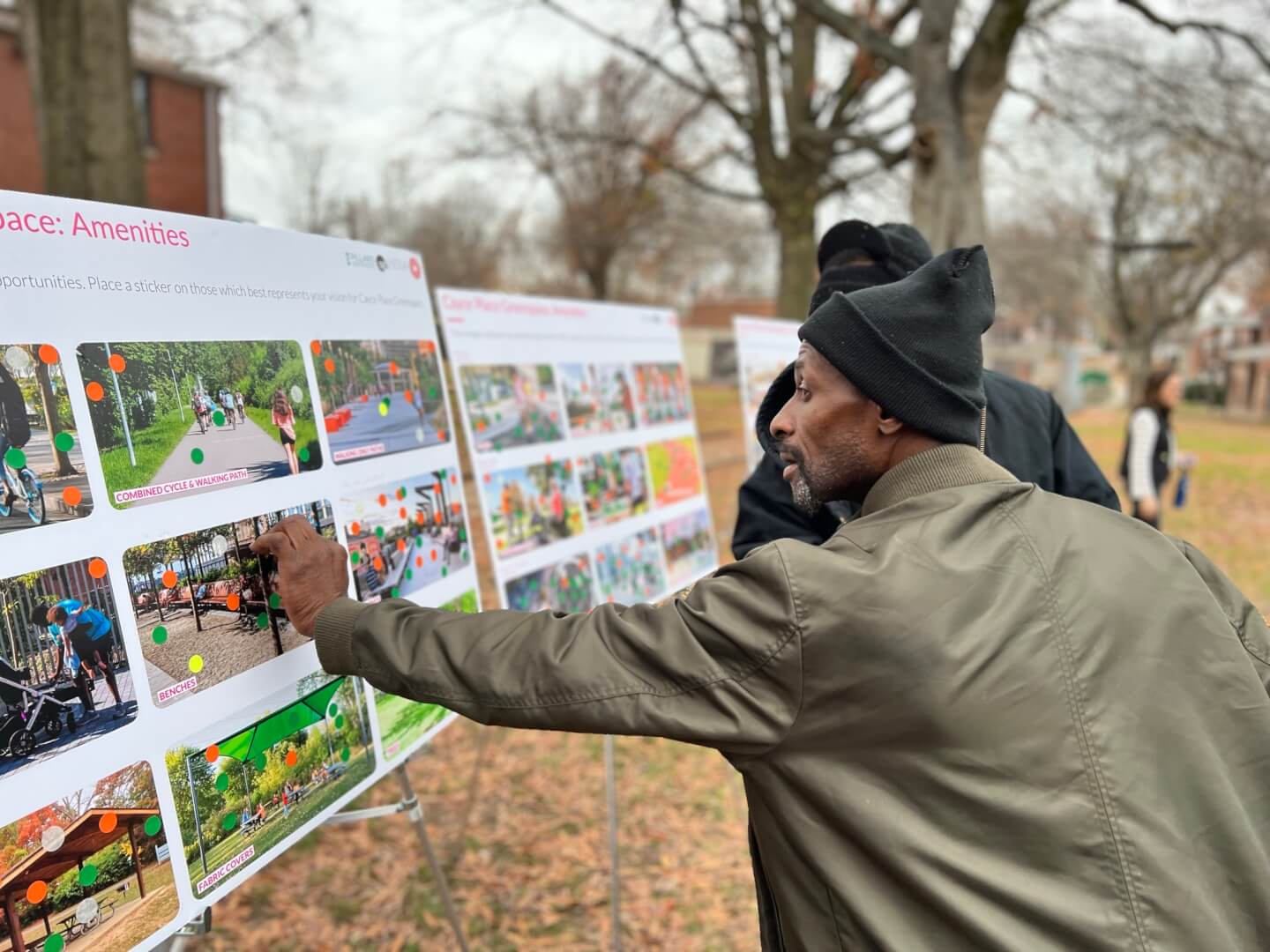
Resident input has also shaped how MDHA gathers feedback. Perhaps the most significant evolution has been MDHA’s Resident Ambassador program. Rather than relying solely on staff to gather community input, trusted resident leaders now conduct community needs assessments, helping ensure that future developments continue to reflect the lived experiences and priorities of the people who call these neighborhoods home. By empowering residents to lead community needs assessments, MDHA has strengthened both the quality of the feedback and the trust behind it.
Residents don’t just provide feedback. They improve design decisions.
Lesson Three: Great design continues long after construction is complete.
Some of the most important design decisions are the ones residents may never notice. New apartments include a maintenance closet that is accessed outside the unit, allowing staff to service water heaters and HVAC equipment without entering a resident’s home. Infrastructure for internet and cable providers has been designed to accommodate future technology upgrades without opening walls. Accessible lighting, thoughtfully designed trash systems and even apartment number signs with built-in storage provide property management with a simple way to leave resident notices and simplify maintenance to make everyday property management more efficient. These seemingly small decisions improve efficiency, reduce disruption and help the community operate more effectively for years to come.
The best design decisions are often invisible. They’re the ones that reduce disruption, improve maintenance and lower operating costs over the life of the building.
Lesson Four: Every development should raise the standard for the next.
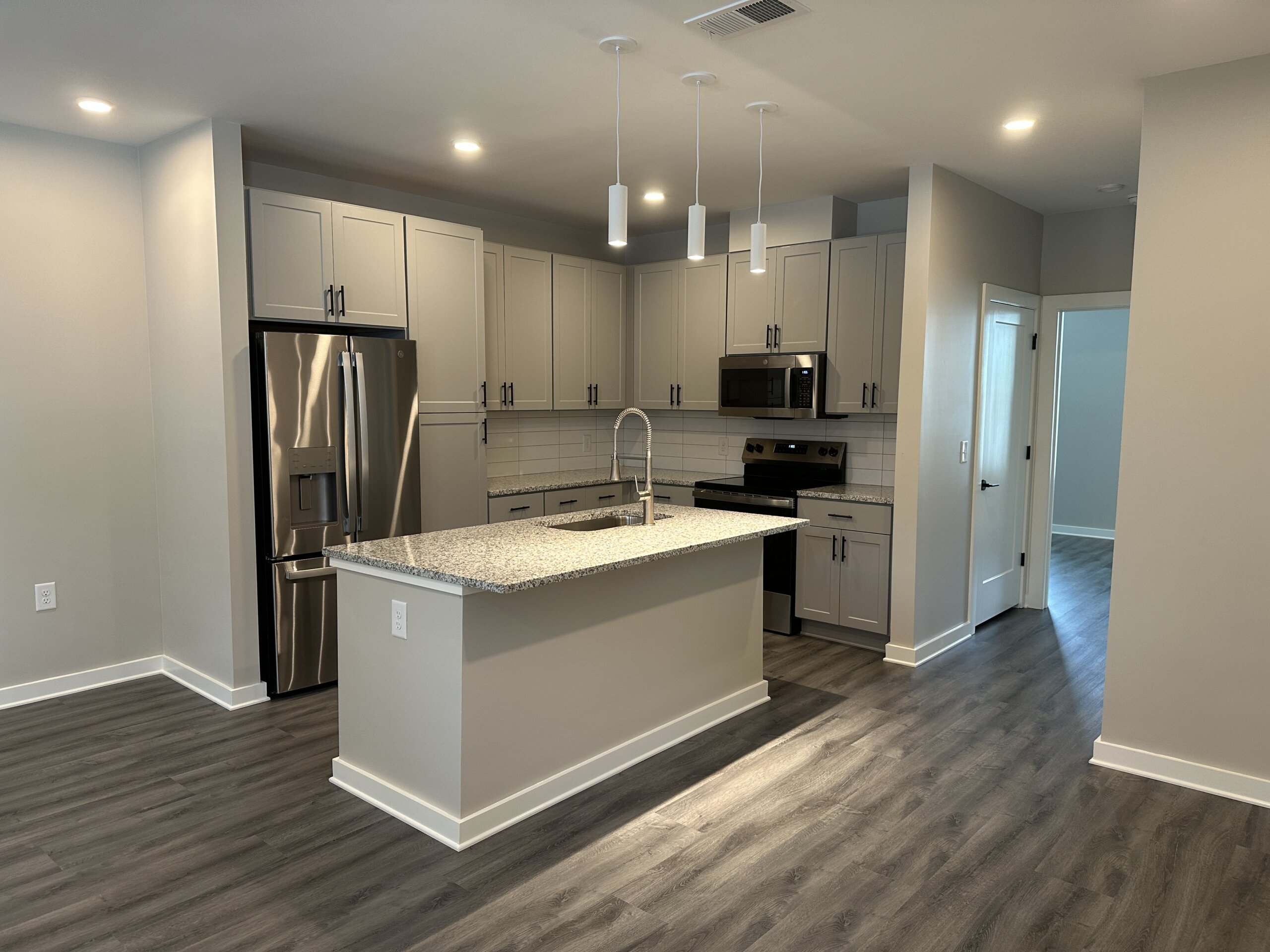
As the eighth development of the Cayce Transformation, Park Point East reflects years of continuous learning. Following each development, MDHA brings together planning, development, maintenance and property management staff to evaluate what performed well and what could be improved. Feedback on everything from flooring durability and cabinet finishes to maintenance access and resident preferences helps establish new standards that carry forward into future developments. Rather than treating each development as a finished product, MDHA views every development as a learning opportunity. Lessons from one development become the standard for the next, creating a culture of continuous improvement across the entire transformation.
Continuous improvement shouldn’t happen after construction. It should be built into every phase.
Lesson Five: Build for today’s residents and tomorrow’s needs.
Designing for the future means not only understanding today’s resident needs but also anticipating tomorrow’s technologies, services and expectations. The needs of residents continue to evolve and successful developments must evolve with them.
Park Point East includes package lockers designed for today’s growing volume of deliveries and flexible technology infrastructure that can accommodate future internet providers without major renovations. It also features fully electric building systems that support both energy efficiency and healthier indoor environments, along with landscaping selected not only for its appearance on opening day but for its ability to thrive for years to come. Each decision reflects a long-term perspective that anticipates changing technology, lifestyles and community needs.
Communities should be designed to evolve with changing technology, lifestyles and resident needs.
Lesson Six: The best developments are built through partnership.
From the earliest planning discussions, MDHA worked alongside city departments, utility providers, architects, maintenance staff, property management teams and residents to establish a shared vision for the development. Regular collaboration throughout design and construction ensured that operational considerations, resident experiences and long-term maintenance needs were considered together rather than in isolation. By bringing diverse perspectives to the table from the beginning, the team created a development that functions as a cohesive community rather than simply a collection of buildings.
Successful affordable housing is created through shared ownership across disciplines and with the community itself.
Park Point East reflects more than the completion of another development. It represents years of learning, listening and continuous improvement. As affordable housing providers across the country work to address growing housing needs, we believe the most successful communities are those designed not only to meet today’s challenges, but to adapt, endure and support residents for generations to come.