For many families, finding a home through the U.S. Department of Housing and Urban Development (HUD) Housing Choice Voucher (HCV) program can feel like navigating a complex process. Voucher holders are working within time-sensitive deadlines, landlords are navigating changing federal requirements and housing advocates, schools, developers and community partners are all helping families move successfully through the system.
No single organization can remove every barrier to housing. Each partner brings different expertise, relationships and resources to the table. When those partners understand one another’s roles and work toward the same goal, they can accomplish far more for the people they serve than any one organization could do alone.
Several years ago, MDHA’s Rental Assistance leadership looked outside the organization for new ideas and created a dedicated Section 8 program education and outreach specialist position to strengthen landlord engagement and improve the participant experience. Since then, the program has evolved into much more than landlord outreach. Through one-on-one education, community partnerships and continuous feedback, MDHA has found new ways to simplify parts of the leasing process, reduce preventable delays and strengthen communication across the housing community.
Here are seven lessons we’ve learned about making housing easier to navigate.
Lesson One: Invest in relationships before transactions.
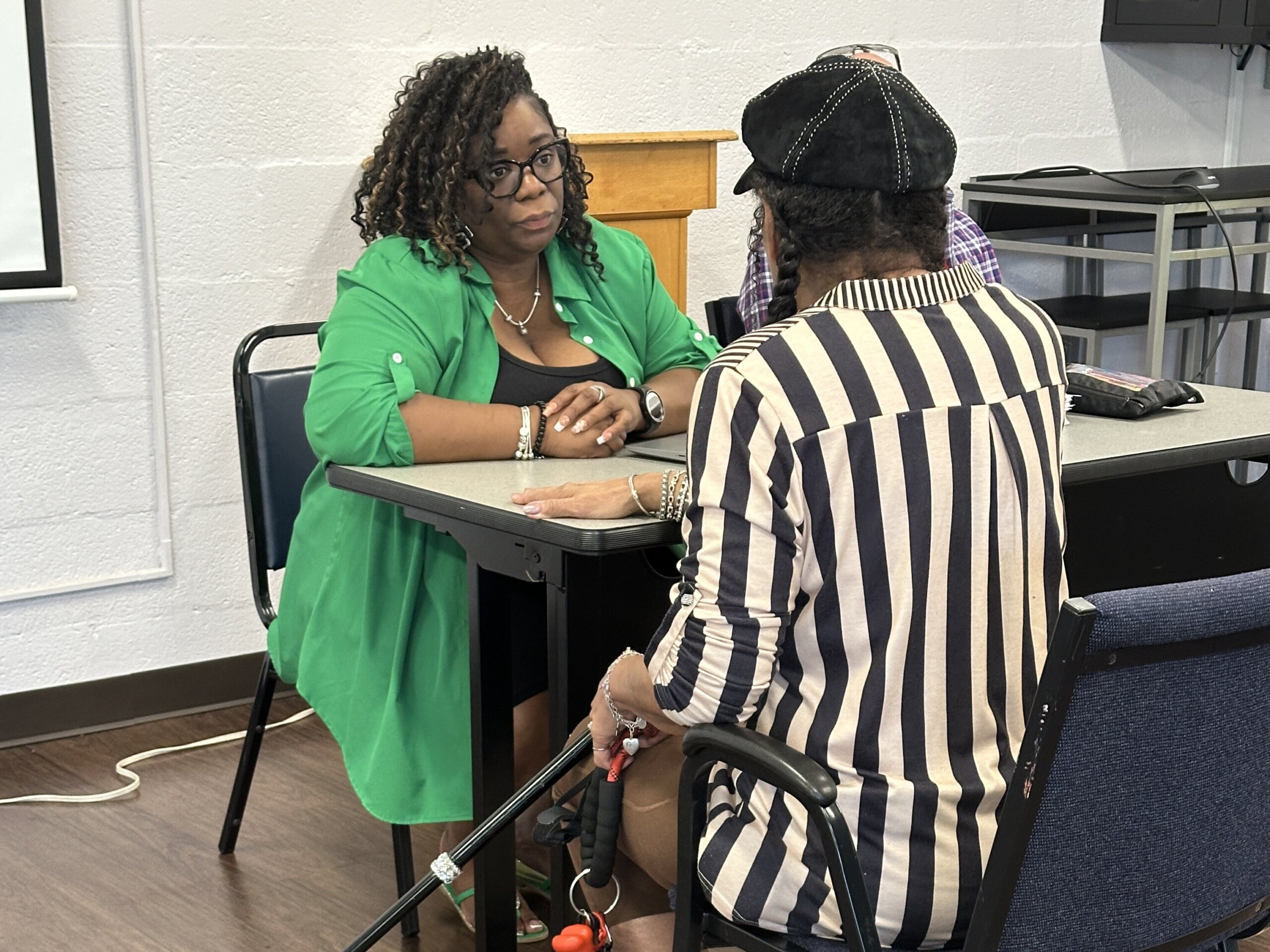
Perhaps the most significant innovation wasn’t new technology or policy, it was creating dedicated time for conversation.
Rather than expecting landlords to navigate a complex voucher program independently, MDHA introduced one-on-one orientation meetings that allow new landlords to ask questions, understand expectations and build relationships before leasing their first unit. Like voucher holders, landlords are working within a process that includes changing federal requirements, inspections and time-sensitive deadlines.
Those conversations have resulted in more complete applications, fewer errors, faster lease-ups and a clear point of contact when questions arise. The same philosophy now extends to developers, nonprofit partners and service providers, many of whom request personalized training because they recognize the value of building relationships before questions become obstacles.
The result is a relationship that already exists when someone needs help, not a relationship that has to be built in the middle of a problem.
Lesson Two: Face-to-face connections build trust faster than paperwork.
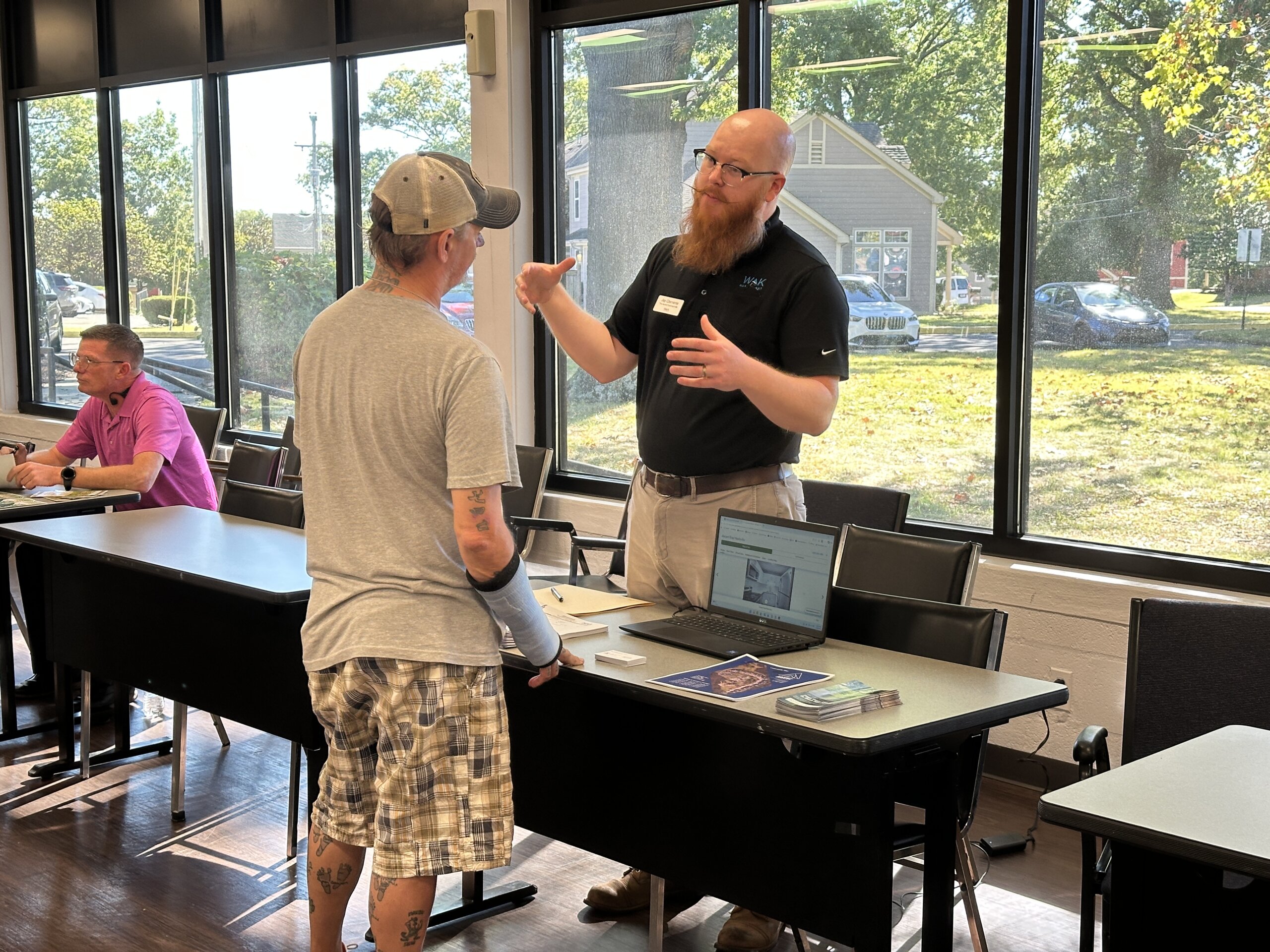
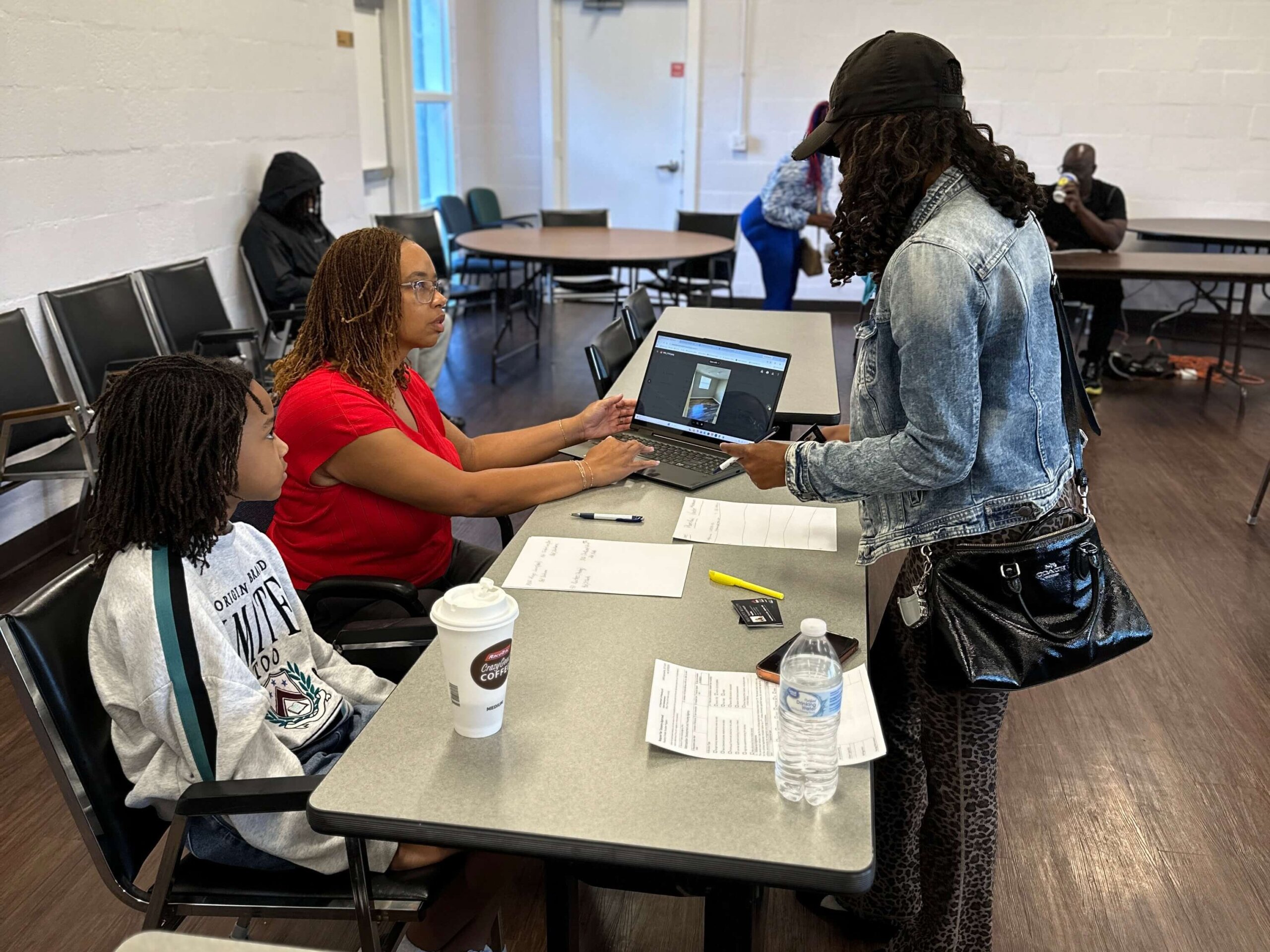
MDHA’s landlord-tenant vacancy mixers transformed what is traditionally an impersonal housing search into an opportunity for conversation. Landlords showcase available units, answer questions and meet prospective tenants in person, while voucher holders can explore multiple housing possibilities in one location rather than traveling across the city.
These conversations help both parties become familiar with one another, answer questions and begin building trust before a lease is ever signed. Approximately 90% of participating vacancies are leased quickly and many landlords return with additional available units and refer other property owners to participate because they have seen the value of connecting directly with prospective tenants and MDHA staff.
For voucher holders, the mixer also creates an opportunity to compare housing options at once, ask questions directly and make more informed decisions about where they may want to live.
A housing search that once required navigating a series of individual conversations can become, in a single event, a chance to see options, ask questions and make connections.
A housing search that once required navigating a series of individual conversations can become, in a single event, a chance to see options, ask questions and make connections.
Lesson Three: Education is customer service and partnership building.
Rather than waiting for misunderstandings to create delays, MDHA continually invests in one-on-one education with landlords, tenants, housing advocates, schools, developers and nonprofit partners. Quarterly landlord briefings explain new federal policies. Mixers help voucher holders meet landlords and compare housing. Nonprofit onboarding helps advocates better support voucher holders. Specialized workshops respond directly to partner requests.
One unexpected example was a practical housekeeping workshop developed after both residents and landlords identified opportunities to better support successful tenancy. By responding to that request, MDHA helped residents build confidence while supporting positive landlord-tenant relationships.
These educational opportunities also create a stronger network of partners who understand the HCV process and can help families navigate it successfully.
In that sense, every training session does double duty: it gives someone information they can use today while strengthening the network that may help someone else tomorrow.
Lesson Four: Listen first, then improve the system.
Feedback drives continuous improvement throughout the Housing Choice Voucher program. Surveys, Resident Advisory Board recommendations, one-on-one conversations and regular training sessions all provide opportunities for landlords, tenants and community nonprofit and education partners to identify emerging needs.
One example came from feedback on the layout of the vacancy mixers. Landlords with available efficiencies and one-bedroom units set up at tables on one side of the room, while those with larger units and townhomes set up on the other side. This simple change helps tenants and landlords more effectively navigate the room and compare options.
Feedback and insights have shaped everything from training topics and vacancy mixer logistics to onboarding materials and policy communication. Rather than treating feedback as an evaluation tool, MDHA uses it as a roadmap for improving the participant experience.
Sometimes system improvement is not a major policy change. Sometimes it is moving a table.
Lesson Five: The right partners make the system stronger.
Helping families successfully lease a home requires more than collaboration between landlords and a housing agency. It requires a network of partners, each contributing expertise and resources that complement the others.
The Resident Advisory Board reviews policy and makes recommendations. Landlords participate in orientation opportunities. Schools assist applicants with online forms. Nonprofit organizations help clients establish email accounts and navigate applications. Community advocates support voucher holders through the housing search. Developers seek guidance before opening new communities. Landlords refer other property owners into the program. Some nonprofit organizations now require MDHA’s HCV training as part of onboarding new employees, helping ensure consistent knowledge across the community despite staff turnover.
Each partner removes a different barrier. Together, they create a stronger pathway to housing than any one organization could provide on its own.
That is perhaps the most important lesson of all: the goal is not for MDHA to do everything. It is to make sure the right people are at the table, understand their role and have what they need to contribute.
Lesson Six: Specialized programs require specialized partnerships.
Not every housing program or participant population has the same needs. MDHA’s work with Veterans Affairs Supportive Housing (VASH) and Shelter Plus Care (SPC) participants has reinforced the importance of making sure landlords understand both the opportunities and the additional supports available through these programs.
For eligible VASH and SPC participants, MDHA can make available landlord-directed assistance for certain move-in costs, including security deposits, utility deposits and first month’s rent, as well as provisions for reimbursement of certain unpaid rent or damages. The assistance is paid directly to the landlord or utility provider.
MDHA incorporates information about these resources into one-on-one landlord education so property owners understand the unique program requirements and available supports before a lease begins. When a voucher holder cannot attend a vacancy mixer, case managers can also participate on their behalf, helping maintain connections between landlords, participants and the professionals supporting them.
The goal is not simply to provide an incentive; rather, it is to create greater clarity, preparedness and confidence for everyone involved.
For a landlord, understanding the support behind a program can be the difference between seeing a specialized voucher as an added complication and seeing it as an opportunity they can confidently support.
Lesson Seven: Great programs remove complications and become easier.
Over time, intentional education and relationship-building have transformed what was once a highly complex process into one that is increasingly intuitive for participants.
Landlords arrive better prepared, advocates understand the application process, voucher holders know what to expect and staff spend less time correcting preventable errors. By investing time on the front end and strengthening connections across the housing community, MDHA has simplified parts of the process while improving efficiency and communication.
The best measure of this work may be what becomes less necessary: fewer preventable questions, fewer avoidable delays and fewer people trying to figure out the system on their own.
Looking Beyond the Lease
As housing programs continue to evolve, we’ve found that the most effective improvements aren’t always the most complex. Often, they come from listening carefully, investing in relationships and bringing the right partners to the table.
Landlords bring housing opportunities. Voucher holders bring their goals, preferences and determination to find a home. Housing agencies bring program expertise and resources. Schools, nonprofits, advocates, developers and other community partners bring their own knowledge, relationships and capacity to remove barriers.
When each partner contributes what they do best and everyone works toward the same goal, we can accomplish far more for the people we serve than any one of us could do alone.
For MDHA, landlord engagement is ultimately about more than filling vacancies. It’s about building a housing community in which landlords are prepared, voucher holders have meaningful choices and partners have the knowledge and tools to help families successfully access and maintain housing.
When we work together, the path to housing becomes easier to navigate and more people are positioned to succeed.