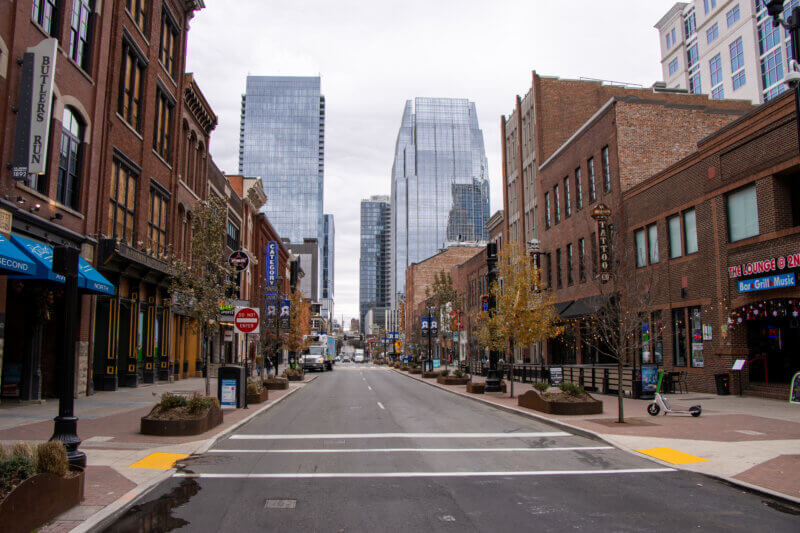
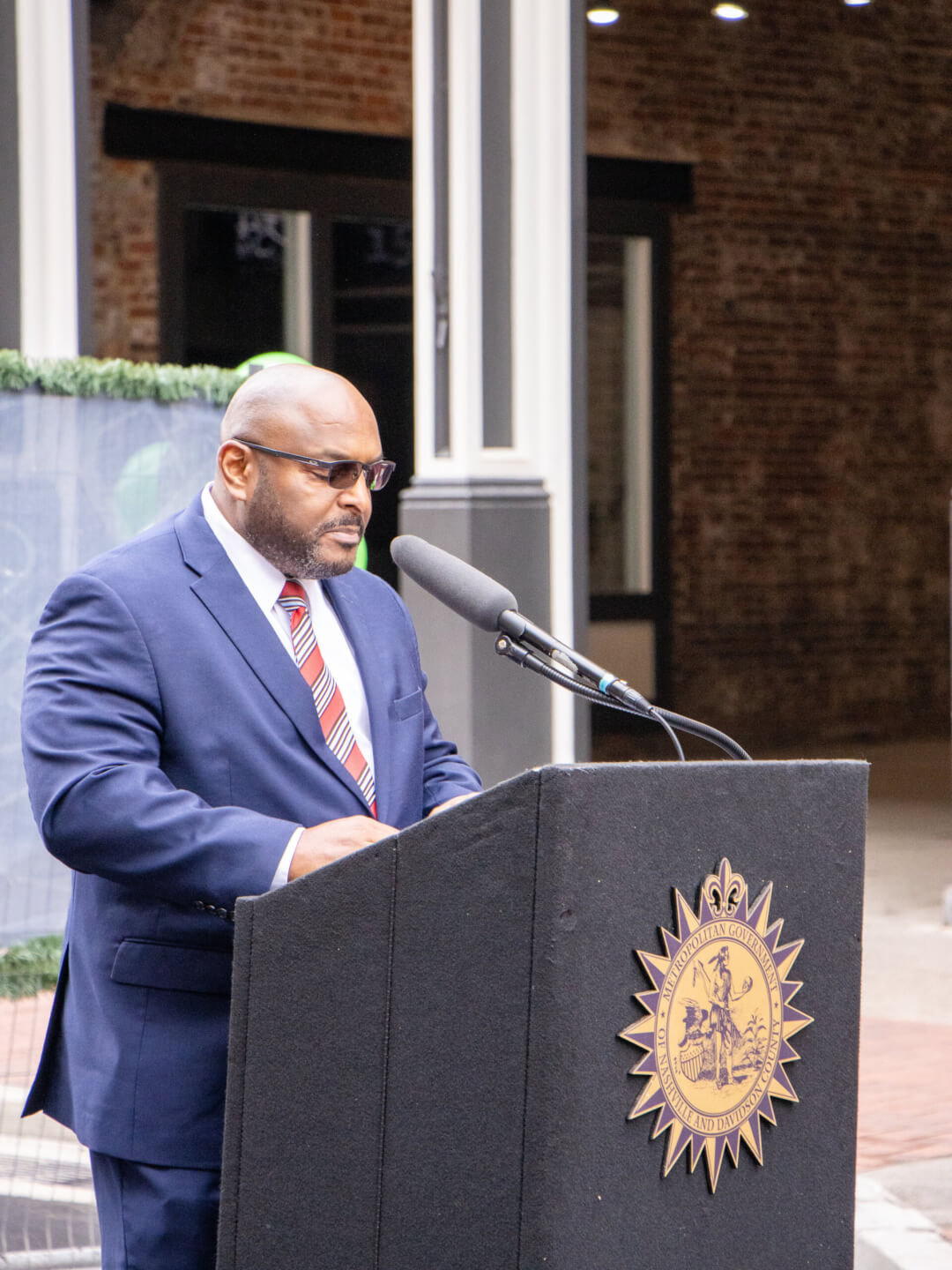
Nashville’s historic Second Avenue fully reopened to vehicle traffic Monday, Dec. 22, 2025, just a few days before the fifth anniversary of the Christmas Day 2020 bombing. Mayor Freddie O’Connell hosted a reopening ceremony attended by MDHA President and CEO Dr. Troy D. White, representatives from construction company Reeves Young, local business owners and many other partners who have been instrumental in the Second Avenue Rebuild.
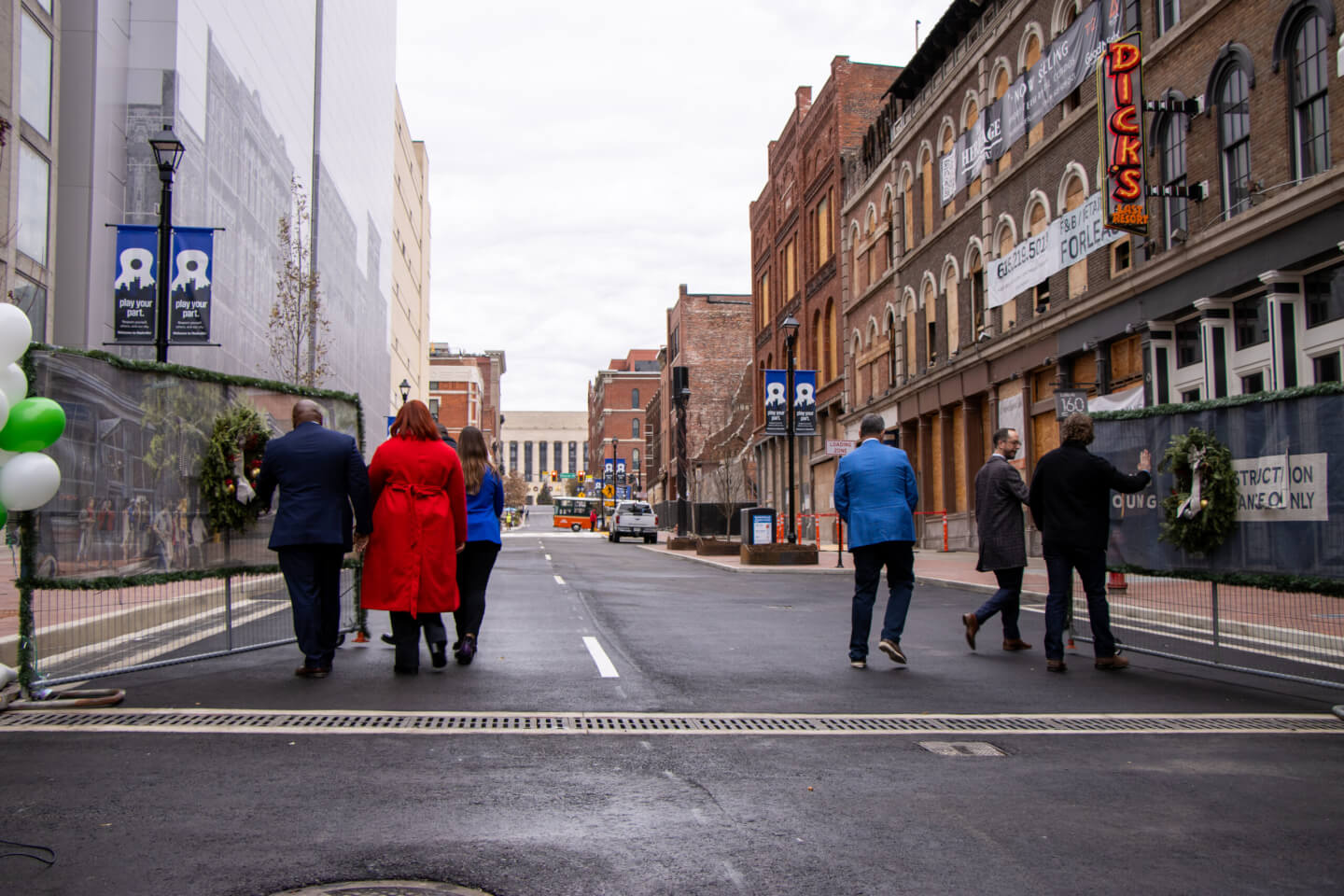
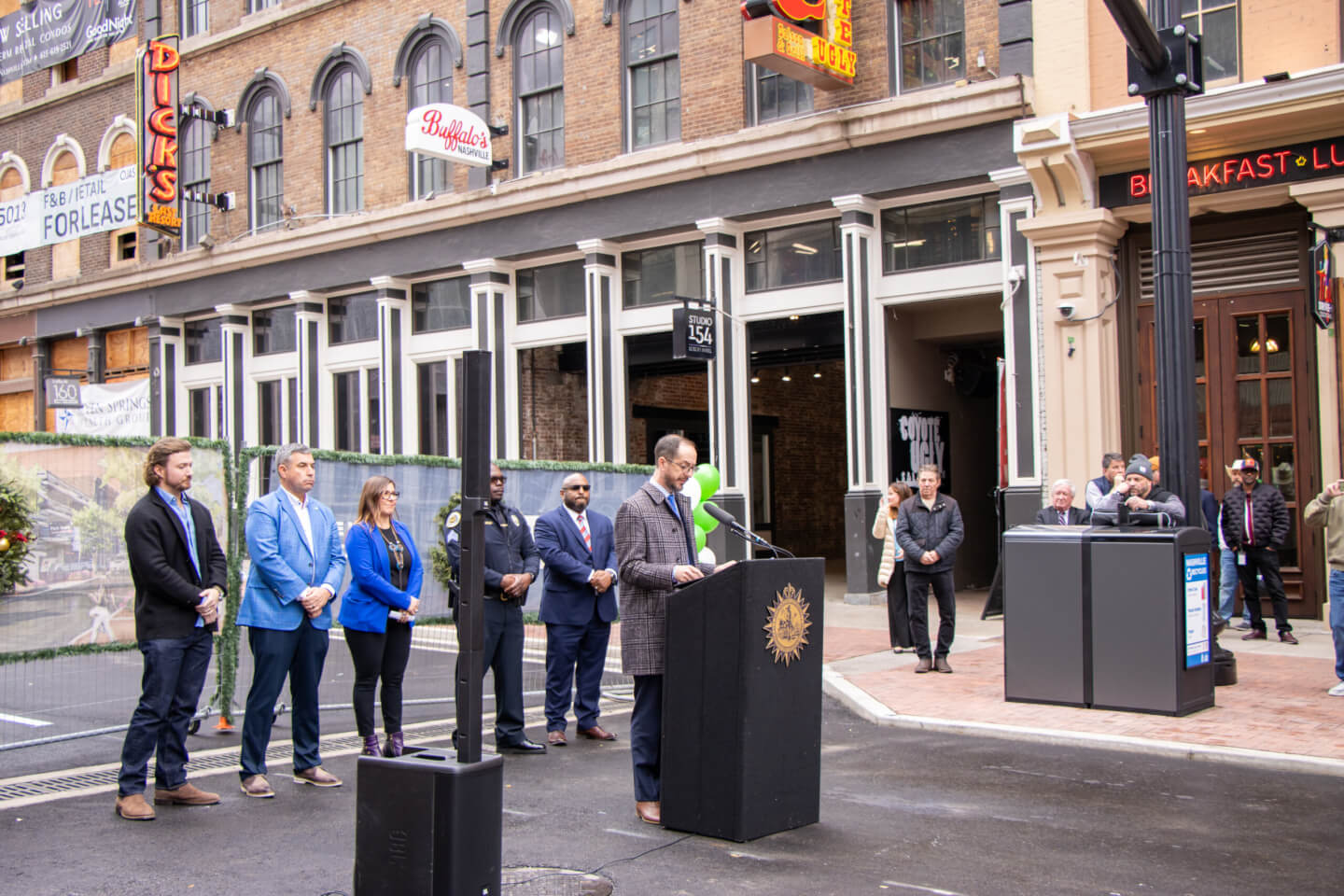
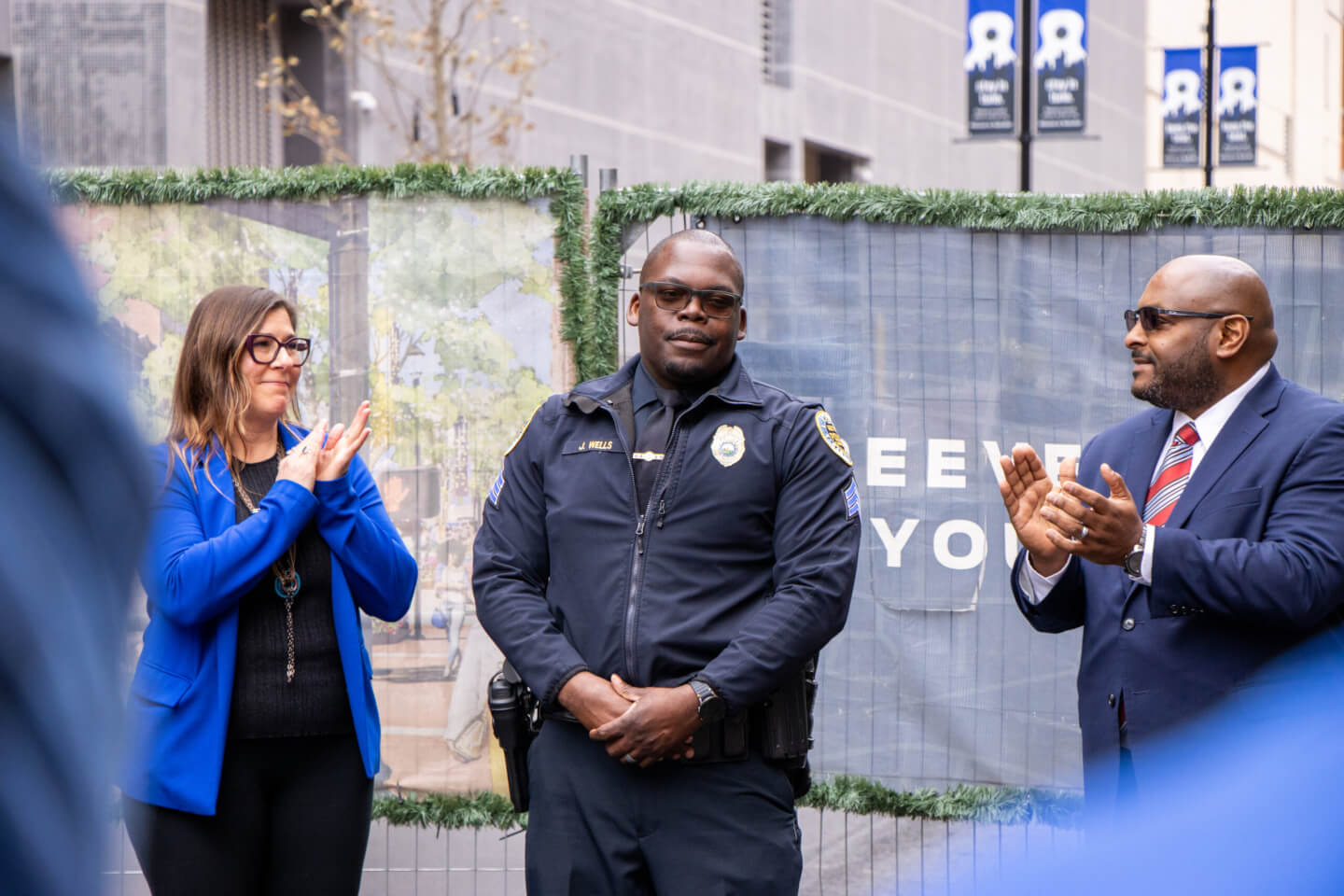
The celebration marked the first time motorists could drive the full length of Second Avenue from Union Street to Broadway since the bomb detonated in 2020. It was also a time to share positive stories and remember the ways our city came together despite the destruction.
“Thank you, Mayor Cooper and Mayor O’Connell, for entrusting our Agency with leading the Second Avenue Rebuild on Metro’s behalf,” added Dr. White. “I also want to thank the MDHA Board of Commissioners for their role in this process.”
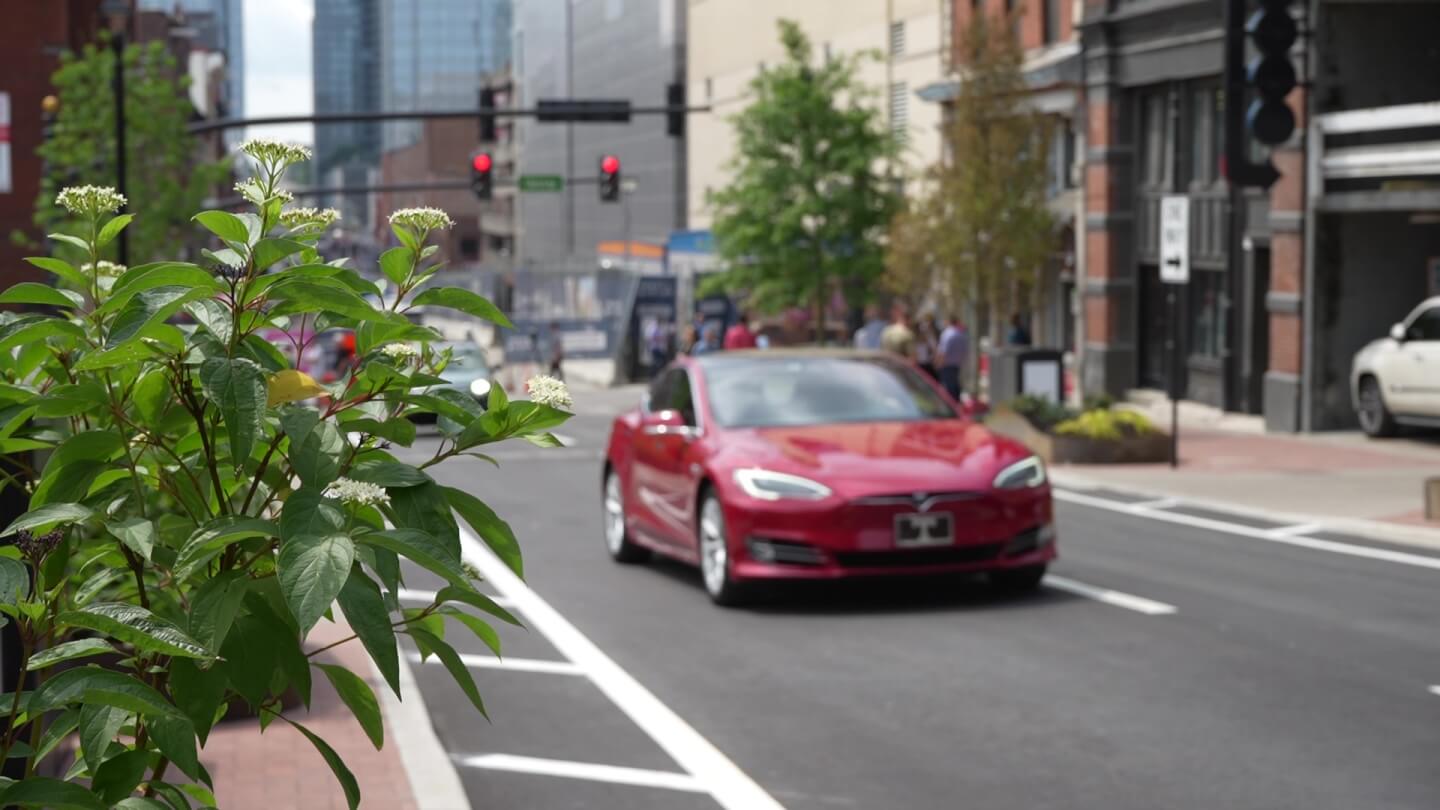
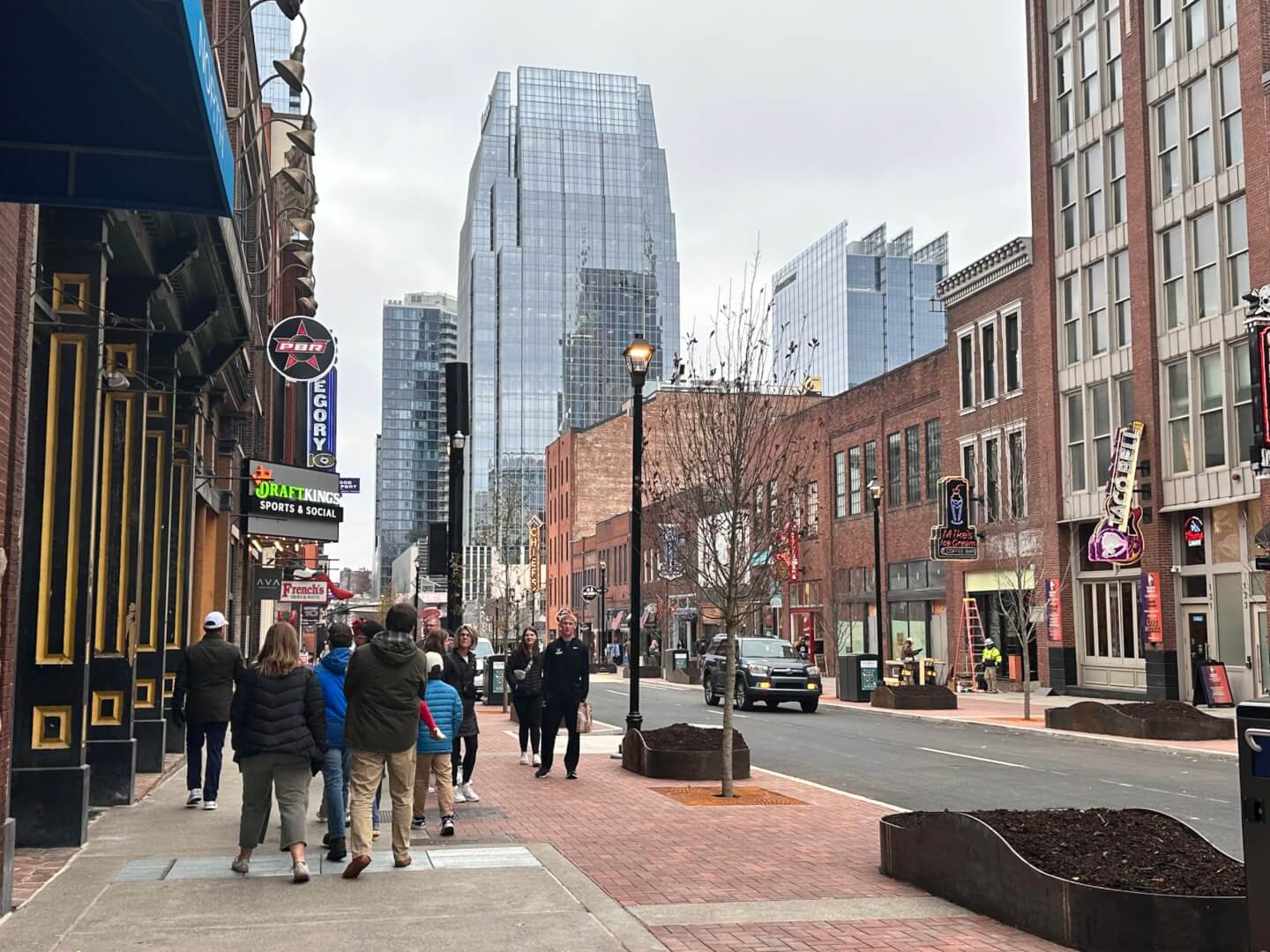
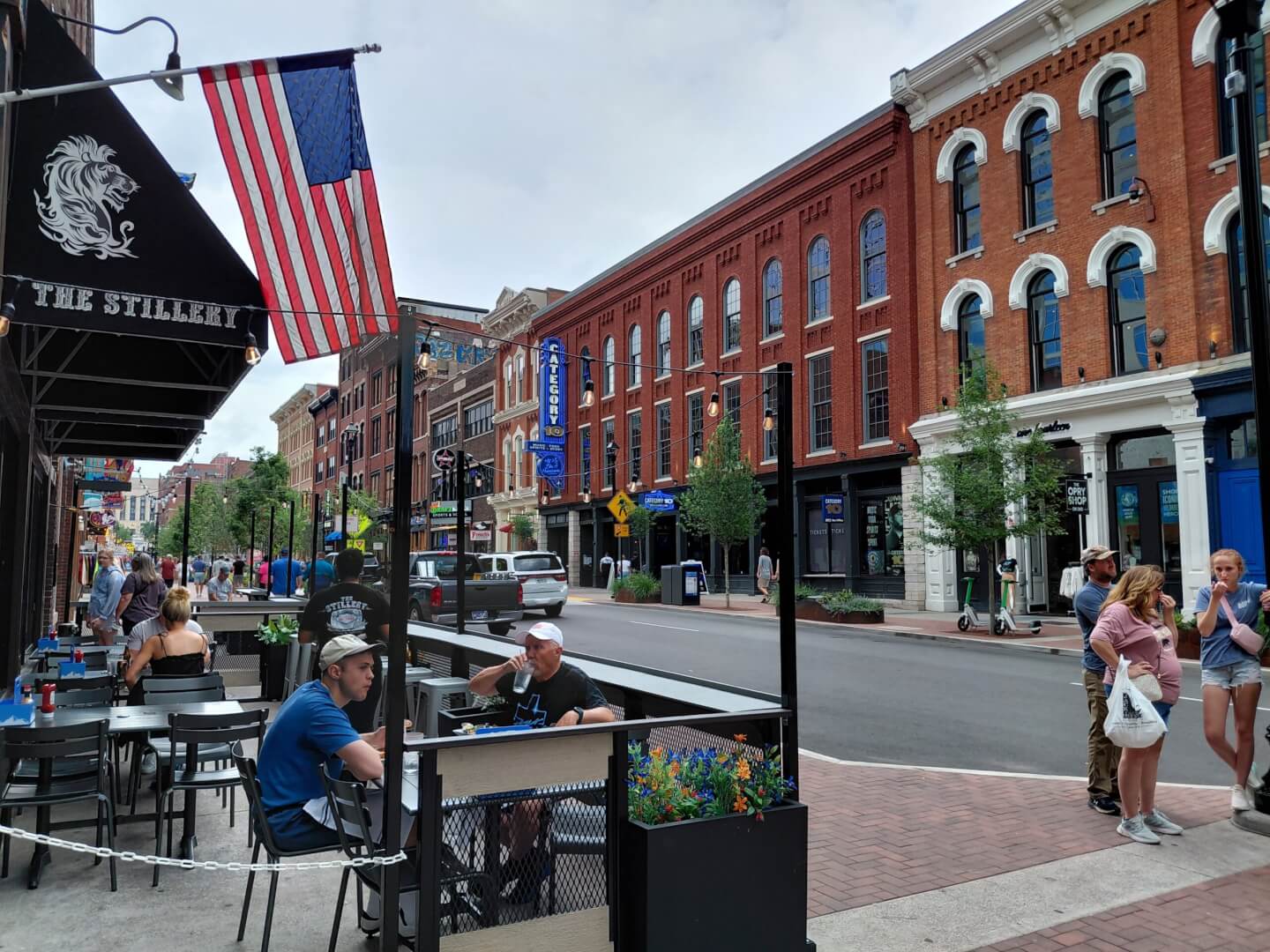
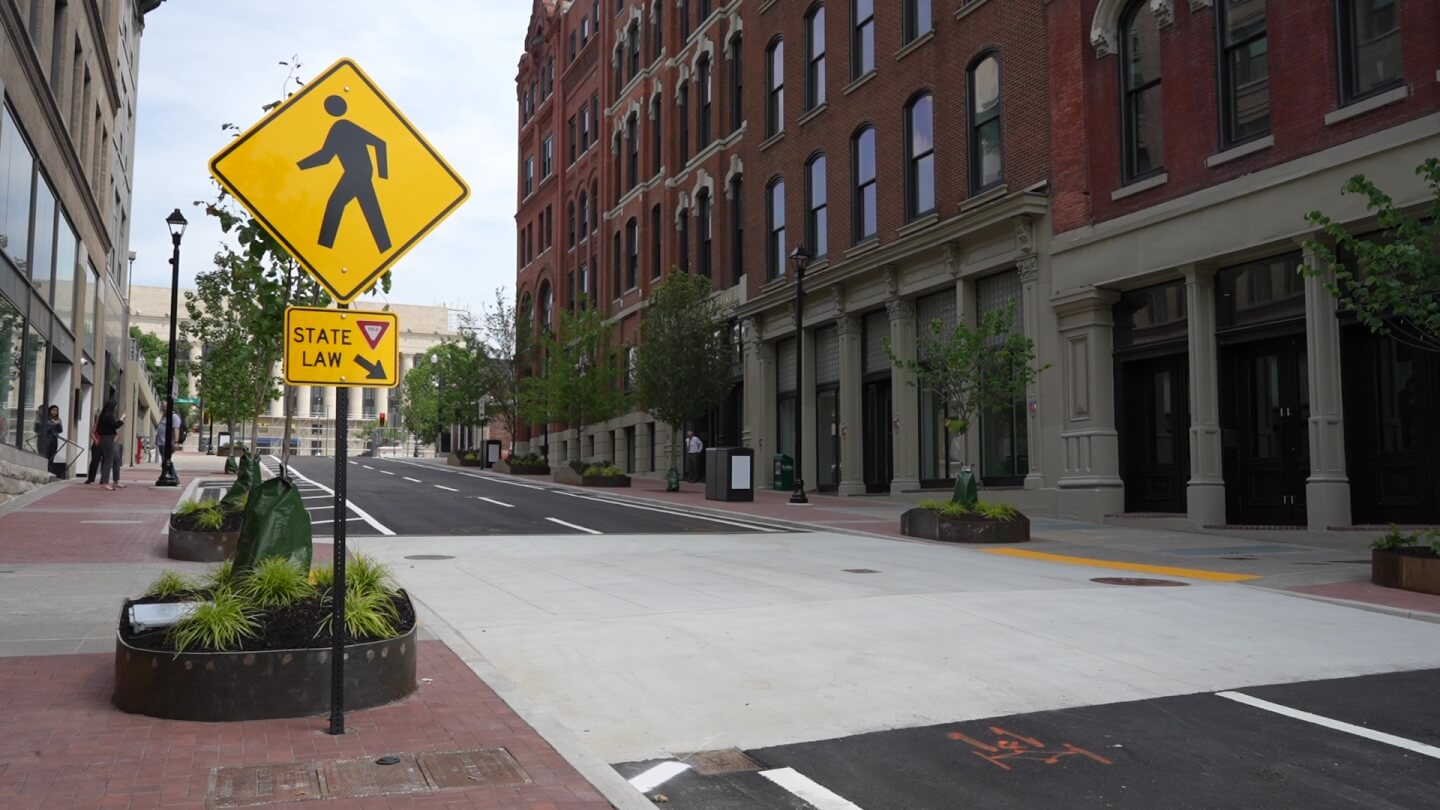
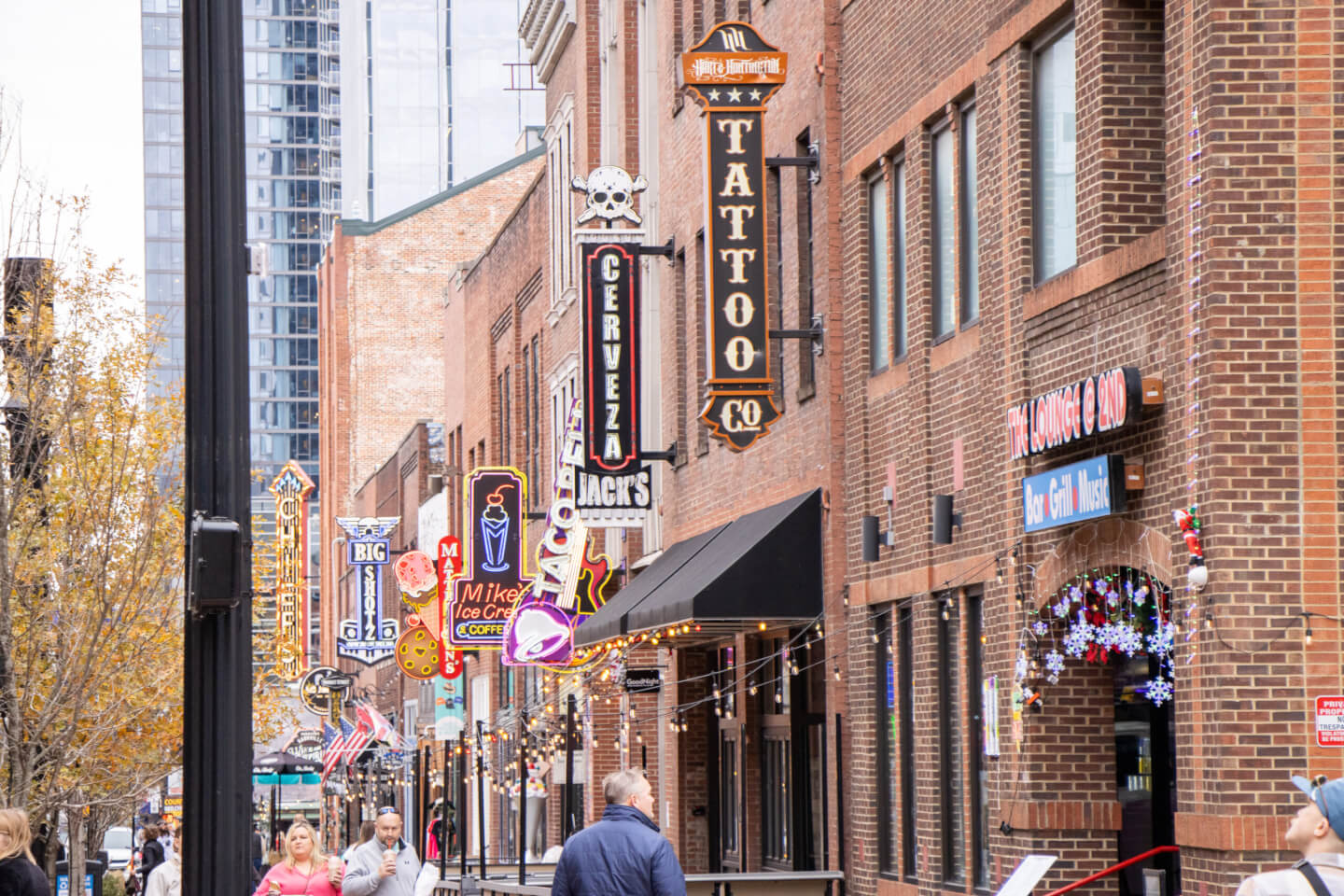
The Second Avenue Rebuild revitalized the streetscape in three sections between Union Street and Broadway with a renewed emphasis on the pedestrian experience. Feedback from stakeholders helped shape the designs, such as designating more pedestrian space, creating areas for outdoor dining, facilitating inviting spaces for locals as well as tourists and activation opportunities. Additional sustainable practices have also been included, such as carbon-capturing concrete used for the widened sidewalks, solar-powered waste management, Dark Sky-approved streetlights and an increased variety of larger trees with large planter boxes. Prior to work on the street-level, construction crews addressed the infrastructure underground. A new storm drain infrastructure system was installed to separate stormwater from the existing combined sewer system as part of Metro Water Services’ Clean Water Nashville initiative. The initiative’s goal is to ensure the environmental health of the Cumberland River and its tributaries for future generations.
The Second Avenue Rebuild is a fully funded project with the majority of funding coming from the Metropolitan Government of Nashville and Davidson County via the Capital Spending Plan, with additional funding provided by the Convention Center Authority.